The Art of Post-Production Sound Design: Shaping Audio for Screen
When I first stepped into a dub stage, I thought I understood sound. I had spent years tracking bands, tweaking EQs, and compressing drums until they hit like a fist. But what I saw that day was something else entirely. A sound designer sat in front of a massive mixing console, surrounded by monitors, with a single image of a rain-soaked street on the screen. He wasn't just fixing audio. He was building a world from scratch. That was my first real encounter with post-production sound design, and it changed how I hear everything.
Post-production sound design is the craft of creating, editing, and mixing audio elements that support the story of a film, commercial, or trailer. It's not about capturing what the microphone recorded on set. It's about what the audience needs to feel. The rumble of a distant explosion, the creak of a wooden floor, the subtle hum of a spaceship's engine. These sounds are rarely real. They are constructed, layered, and shaped by people who understand both the technical and emotional weight of audio.
More Than Fixing Dialogue
Many people assume post-production sound is just cleaning up dialogue. That is part of it, sure. ADR sessions bring actors back into a studio to re-record lines that were ruined by wind or traffic. But that is only the beginning. A good post-production house does far more than match levels and remove clicks. They replace footsteps, create ambient backgrounds, and build sound effects from scratch. Foley artists walk on gravel pits, break celery stalks for bone snaps, and rustle fabric until it sounds like a character moving through a scene. It is a physical art, and it requires both patience and imagination.
In a recent project I worked on, the director wanted a door to sound both ancient and threatening. We tried recordings from an old barn, but they felt hollow. Then we layered the sound of a heavy bank vault with the scrape of a metal chair across concrete. We added a low-frequency pulse from a Universal Audio synth plugin. The result was unsettling and perfect. That is the kind of problem-solving that defines this field.
Tools of the Trade
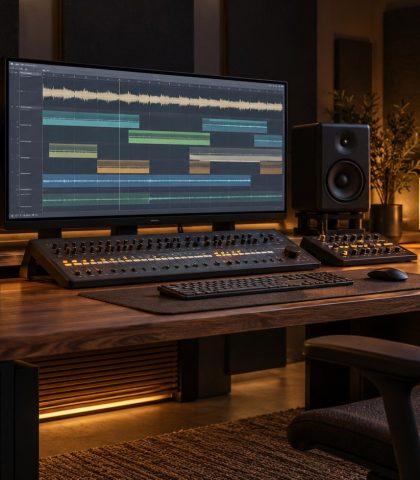
Most sound designers live inside Pro Tools. The software has been the industry standard for decades, and for good reason. It offers the kind of precision and flexibility that complex sessions demand. Avid updates it regularly, but the core workflow remains the same: organize your tracks, edit waveforms, and automate everything. That said, no tool works alone. A good SFX Library like Boom Library or Sound Particles can save hours of recording time, but only if you know how to layer and process them. A single gunshot might combine a low kick drum, a recorded slate impact, and a synthesized crack from a granular synth.
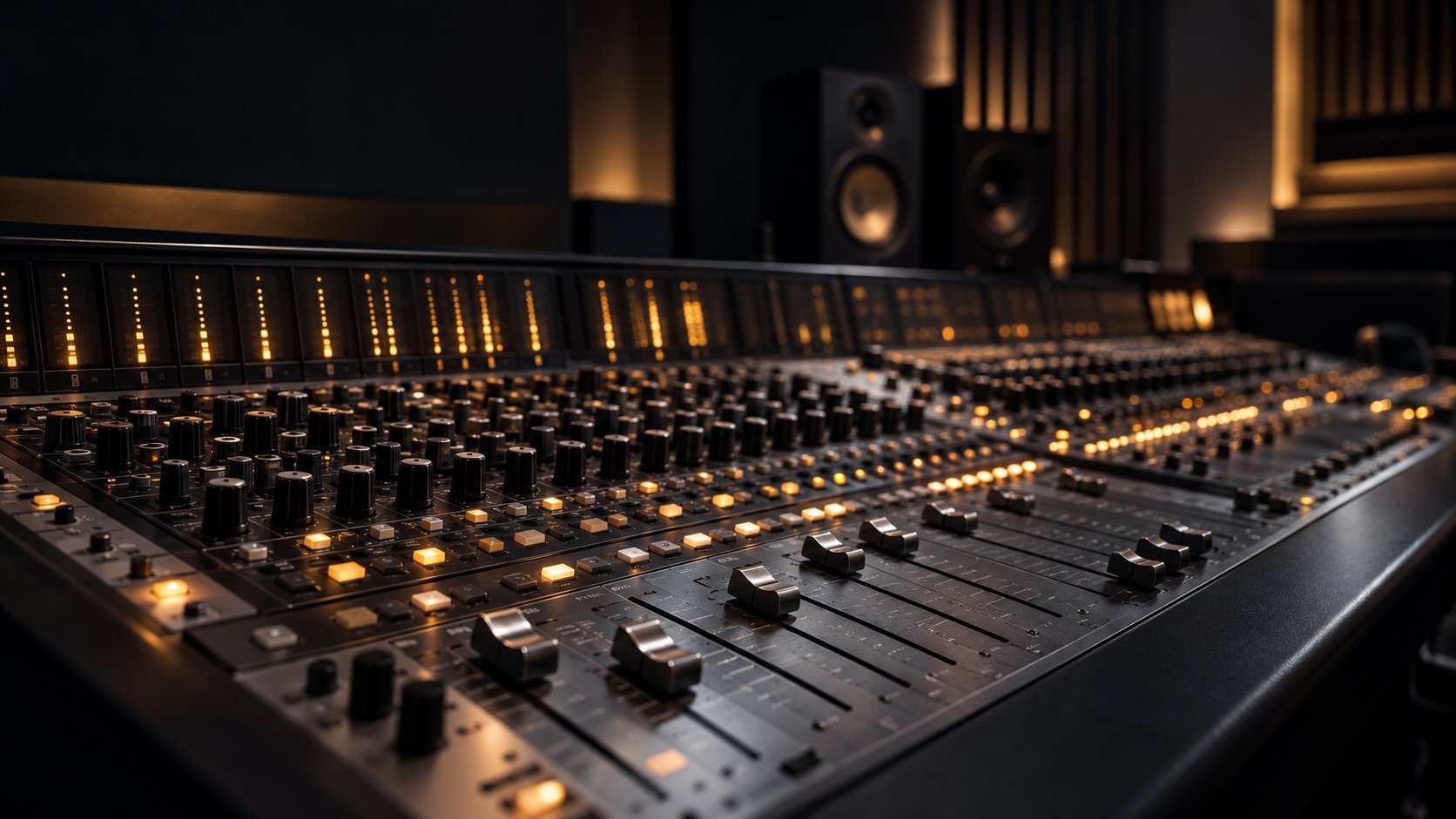
Mixing consoles still play a role in many studios, even in the age of digital. The tactile feel of faders and the ability to route audio through analog gear can add warmth that plugins struggle to replicate. But the real magic happens in the balance between tools. A sound designer might use Audiokinetic's software for interactive audio in video games, then switch to a Dolby Atmos mix for a theatrical release. The same principles apply, but the delivery changes everything.
The Evolution of Sound Design
Walter Murch is often credited with elevating sound design to an art form. His work on Apocalypse Now showed that sound could be as expressive as image. He treated audio like a musical score, weaving helicopters and napalm into a rhythmic nightmare. Ben Burtt took that further with Star Wars, building a library of sounds that became iconic. The lightsaber hum? A blend of a film projector and an old TV set. Those early innovations set the stage for everything that followed.
Today, post-production sound design is more collaborative than ever. A sound designer does not work in isolation. They coordinate with directors, composers, and re-recording mixers. They attend spotting sessions where every scene is analyzed for its sonic needs. They build stems that can be rearranged later for different formats. An M&E Mix, for example, strips out dialogue and leaves music and effects intact, allowing the show to be dubbed into other languages. It sounds simple, but getting it right requires discipline and foresight.
Working with a Post-Production House
If you are producing a commercial or a short film, finding the right post-production house is critical. A studio like Krotz Audio or Skywalker Sound brings decades of experience and a deep network of talent. But even a smaller shop can deliver world-class results if the team understands the material. I have worked with studios that specialize in trailers, and they know exactly how to build tension in thirty seconds. They use rhythmic edits, sub-bass sweeps, and carefully timed silence to make the audience lean forward.
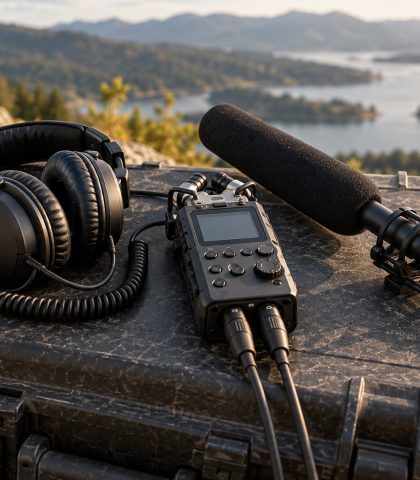
The relationship between a director and a sound designer is built on trust. You have to be willing to say, "I don't know what this should sound like, but I'll know it when I hear it." That openness leads to discoveries. I once spent an afternoon recording different types of paper being crumpled for a scene where a character reads a letter. The director wanted it to sound nervous, so we tried parchment, notebook paper, and wax paper. The winner was a combination of two: the crispness of notebook paper and the soft rustle of parchment. That kind of detail matters.
Mixing and the Final Stage
Mixing is where everything comes together. The dialogue, the Foley, the sound effects, the music. They all need to sit in the same space without fighting each other. A good mixer uses a mixing console or a digital controller to ride levels and apply EQ. They think about frequency masking: if the music has a lot of low end, the sound effects may need to be shifted up or carved out. Dolby Atmos adds another layer of complexity. Now you are placing sounds in a three-dimensional space, above and behind the audience. It is immersive, but it also requires careful planning. You cannot just throw sounds into the overhead speakers and hope it works.
One of the hardest things to learn is when to stop. It is easy to keep adding layers, to keep tweaking a reverb tail, or to try one more plugin. But sometimes the best sound is the simplest. A single, well-recorded footstep can carry more weight than a dozen layered effects. The best sound designers know that restraint is a tool. They listen to the mix as a whole, not just their own tracks.
Practical Advice for Beginners
If you want to get into post-production sound design, start by listening critically. Watch a movie with your eyes closed and pay attention to what you hear. Notice the transitions, the ambient beds, the way sounds move from left to right. Then try to recreate something similar in your own sessions. Use Pro Tools or any DAW that supports multiple tracks. Record your own Foley. A good Foley session can teach you more about timing and texture than any tutorial.
Build your own SFX Library. You can start with free samples, but eventually invest in something like Boom Library or Sound Particles. They are curated, well-recorded, and save you time. Learn the basics of SMPTE timecode and how to sync audio to picture. Understand the difference between a stereo mix and a Dolby Atmos mix. And never stop asking questions. The best sound designers I know are the ones who still get excited about a new plugin or a strange recording technique.
Post-production sound design is not a job you master overnight. It takes years of listening, experimenting, and failing. But every project teaches you something. Whether you are working on a thirty-second commercial or a feature film, the goal is the same: make the audience feel something they cannot quite name. That is the power of sound.